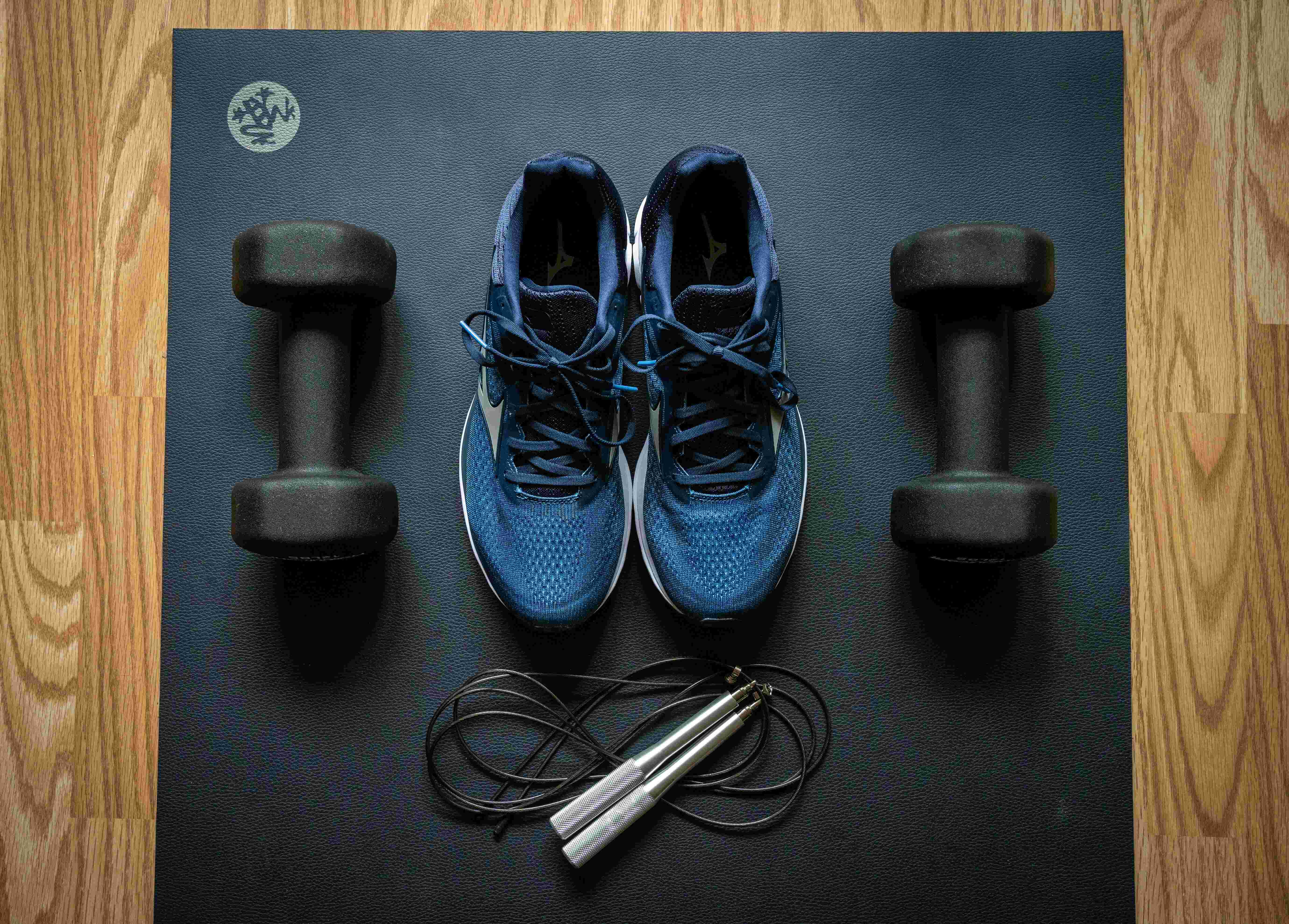
Starting fitness can feel intimidating, not because exercise is complicated, but because most people simply don’t know where to begin. Should you lift weights? Run more? Stretch? Track calories? Buy equipment? Join a gym?
The truth is simple: starting fitness isn’t about doing everything. It’s about doing the right things consistently. Whether you're beginning from scratch or returning after a long break, this guide will help you build confidence, avoid injury, and stay motivated.
Why Starting Fitness Feels Hard (and Why It Doesn’t Have to Be)
Most beginners feel stuck because there are too many choices, unrealistic goals, or a tendency to start too hard too fast. Many also struggle with inconsistency or comparison to others, which makes the whole journey feel heavier than it needs to be.
The good news is that none of these challenges are permanent. With the right approach, fitness becomes manageable, enjoyable, and genuinely life-changing.
Start Smaller Than You Think
A beginner doesn't need six workouts a week, a strict diet, or expensive equipment. Keep things simple and focus on consistency. Aim for two to three workouts per week, each lasting twenty to thirty minutes. Keep the intensity low at the start and focus on learning proper movement patterns. Small wins build momentum and create habits that last.
Choose Activities You Actually Enjoy
Fitness doesn't have to happen in a gym. You can begin with walking, bodyweight workouts at home, swimming, cycling, yoga, or light resistance band training. If you enjoy the activity, you'll stick with it. Enjoyment is one of the most underestimated strategies for long-term success.
A Simple Beginner Routine to Follow
Here is a balanced routine that fits easily into busy schedules:
Day 1: Strength Training
Focus on simple exercises such as squats, glute bridges, rows, and modified push-ups.
Day 2: Light Cardio
Choose an activity like brisk walking, cycling, or an easy elliptical session.
Day 3: Rest or Mobility Work
Try gentle stretching, yoga, or basic mobility routines.
Day 4: Strength Training
Include lunges, hip hinge variations, planks, and light shoulder press movements.
Day 5: Optional Low-Intensity Cardio
Spend twenty to twenty-five minutes moving at a comfortable pace.
Weekend days can be restful or used for activities you genuinely enjoy. This routine builds a strong foundation, improves mobility, supports fat loss, and develops consistency without overwhelming your schedule.
Track Your Progress in a Simple Way
You don't need a complicated log to make progress. It's enough to record what workout you completed, how you felt, the number of reps or weights used, or even just your general activity level. Tracking consistency or streaks is often more motivating than tracking numbers. Modern fitness apps make this process even easier. As noted in the pwcva.gov article about technology in fitness, digital solutions make progress more measurable and fitness communities easier to engage with. Of course, it's important to balance the benefits technology brings and remain mindful of any potential downsides.
Expect Imperfection
Many beginners quit because they believe fitness requires perfection. It doesn't. Missed a workout? Feeling tired? Had a stressful week? That's normal. The goal isn't to be perfect. The goal is to keep starting again. That is how long-term habits are created.
Use Technology to Make Fitness Easier
Technology isn't required to start fitness, but it can remove friction. Tools like workout apps, step counters, reminders, and habit trackers can make it easier to stay consistent and see real progress. Digital fitness tools help people stay engaged and motivated, especially during the early stages of their journey (pwcva.gov).
Don't Start Alone If You Don't Have To
Support makes everything easier. Whether you join a community, use an app that guides your sessions, or work with a coach, having someone in your corner helps with accountability and confidence.
A Better Way to Start Fitness
If you want a simple way to start and stay consistent, tools like Motifind provide structured routines, tracking, and clear guidance so you always know what to do next. Clients get clarity. Trainers save time. Everyone gets better results.
You don't need the perfect plan. You just need to start.
Start small. Start simple. Start imperfect. Just start fitness, and the rest builds naturally.